
Depression & Mood Support
Support your mental wellness through intentional practice
What Is Depression & Mood Support?
Mental health is health. Depression, mood disorders, and persistent low mood affect millions of Americans and can significantly impact quality of life, relationships, work performance, and physical health. While professional mental health treatment is essential for clinical depression, many people find that complementary wellness practices provide meaningful support for their mood and mental wellbeing. Research increasingly shows connections between physical practices — cold exposure, light therapy, sensory deprivation, and cellular health — and mental wellness outcomes. These practices don't replace professional mental health care, but they may provide valuable support as part of a comprehensive approach.
Mood challenges affect people of all ages and backgrounds. Seasonal affective disorder (SAD) is particularly common in Utah's winter months. Stress-related mood changes affect busy professionals and parents. Post-partum mood changes affect new mothers. And general low mood or mild depression can affect anyone going through difficult life transitions, grief, or chronic stress.
On This Page
Our Approach
Deliberate Wellness Studio offers several modalities that research suggests may support mood and mental wellness. Cryotherapy may trigger significant norepinephrine release — a neurotransmitter involved in mood regulation. Infrared sauna may promote relaxation and endorphin release. Red light therapy is being studied for its potential effects on brain health. Dry float therapy provides deep sensory rest. NAD+ may support brain cell energy. These modalities complement professional mental health care.
Services That May Support Depression & Mood Support
Each of these services at Deliberate Wellness Studio in Vineyard, UT addresses depression & mood support from a different angle. Many clients find that combining multiple modalities provides the most comprehensive support.
Whole-Body Cryotherapy
Research suggests that cold exposure may trigger a 200-300% increase in norepinephrine — a neurotransmitter involved in attention, focus, and mood regulation. Many clients report improved mood after sessions.
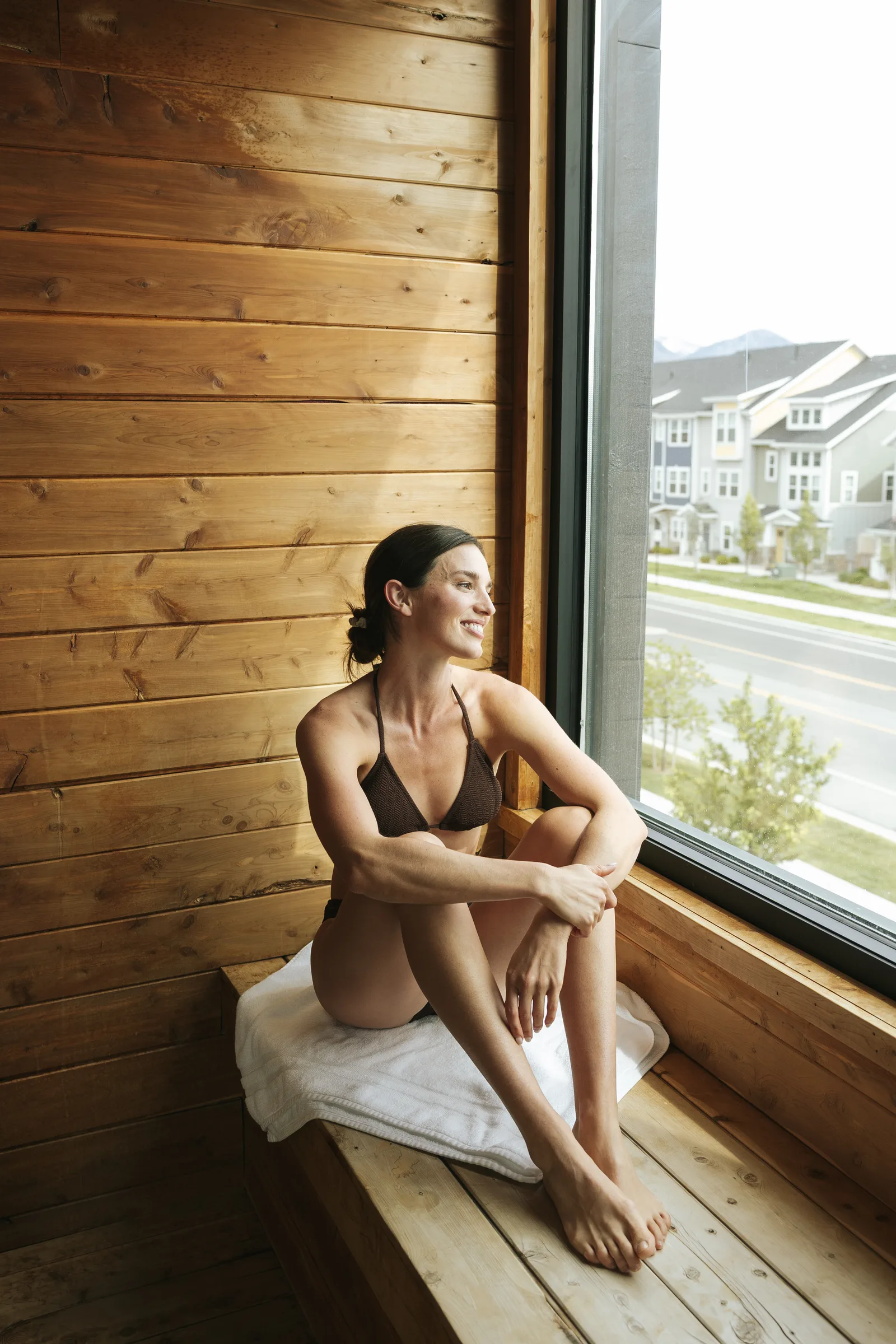
Infrared Sauna
Heat exposure may promote endorphin release and deep relaxation. Studies have explored whole-body hyperthermia as a potential support for mood, with promising preliminary results.
Red Light Therapy
Transcranial photobiomodulation — light therapy applied near the head — is being studied for its potential effects on brain cell energy production and mood regulation.
Dry Float Therapy
Sensory deprivation in a dry float pod provides deep rest for the nervous system, potentially reducing cortisol levels and promoting a profound sense of calm and mental clarity.
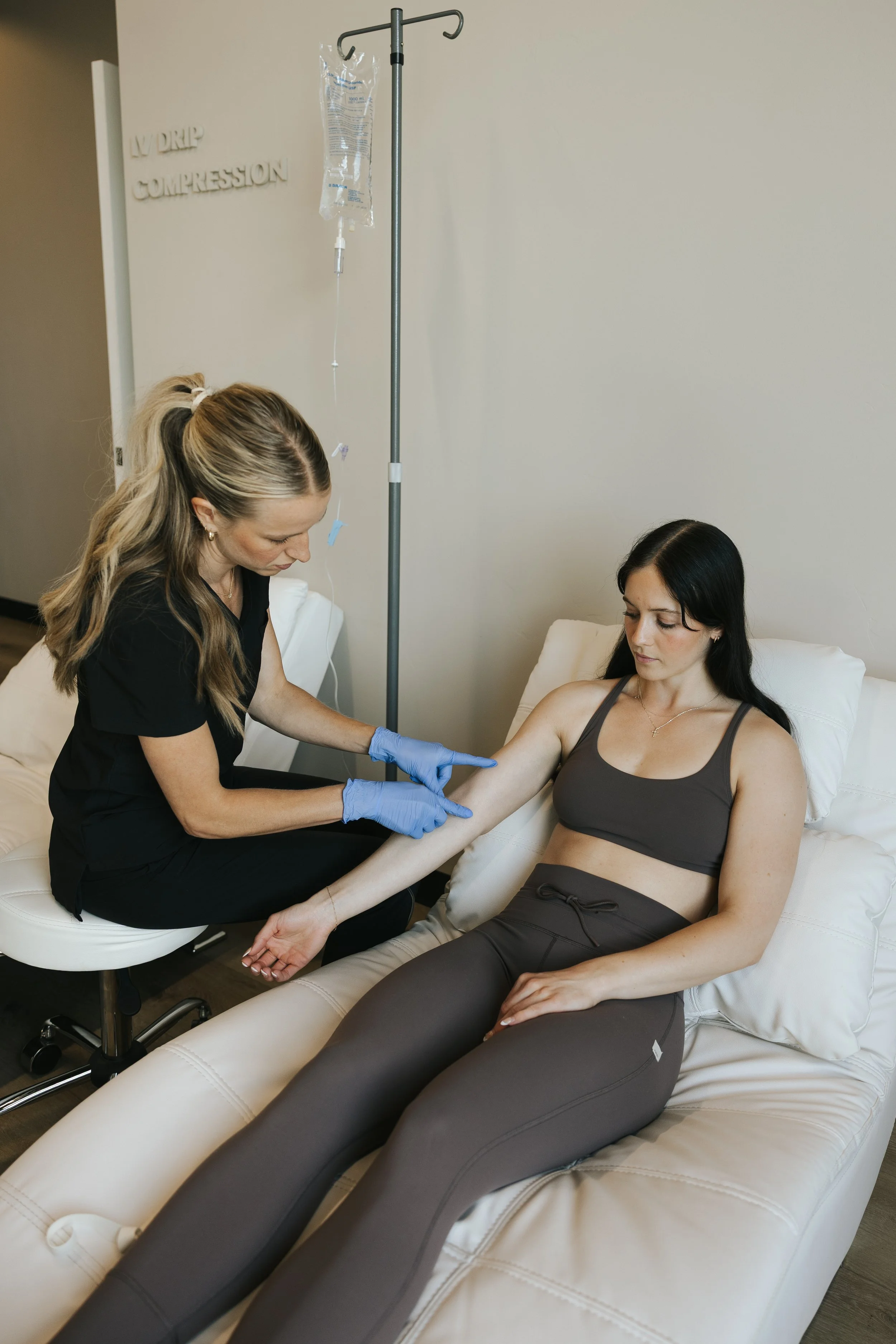
NAD+ Injections
NAD+ is essential for brain cell energy production. Declining levels may contribute to cognitive and mood changes. Supplementation may help support brain cell function.
How to Combine Services for Depression & Mood Support
For mood support, many Vineyard clients combine cryotherapy (for the norepinephrine boost and endorphin release) with infrared sauna (for deep relaxation and heat-induced endorphins). Dry float therapy provides profound nervous system rest. Red light therapy may support brain cell energy. These practices complement — never replace — professional mental health care.
Your First Visit
Share your wellness goals — we create a supportive, judgment-free environment
Experience cryotherapy for the immediate mood-lifting effects of cold exposure
Follow with infrared sauna or dry float therapy for deep relaxation
Build a consistent routine — mood benefits often improve with regular practice
Depression & Mood Support FAQ
Learn More About Depression & Mood Support

Cold Plunge Benefits: A Science-Backed Guide to Cold Water Immersion
Cold plunge (cold water immersion at 38-50°F for 2-10 minutes) offers science-backed benefits including reduced inflammation, improved mood through norepinephrine release, better sleep quality, enhanced immune function, improved insulin sensitivity, and faster exercise recovery. A 2025 systematic review of 3,177 participants found cold water immersion reduces stress, boosts immunity, improves sleep quality, and enhances overall well-being. Benefits increase with consistency — 3-4 sessions per week is optimal for most people.
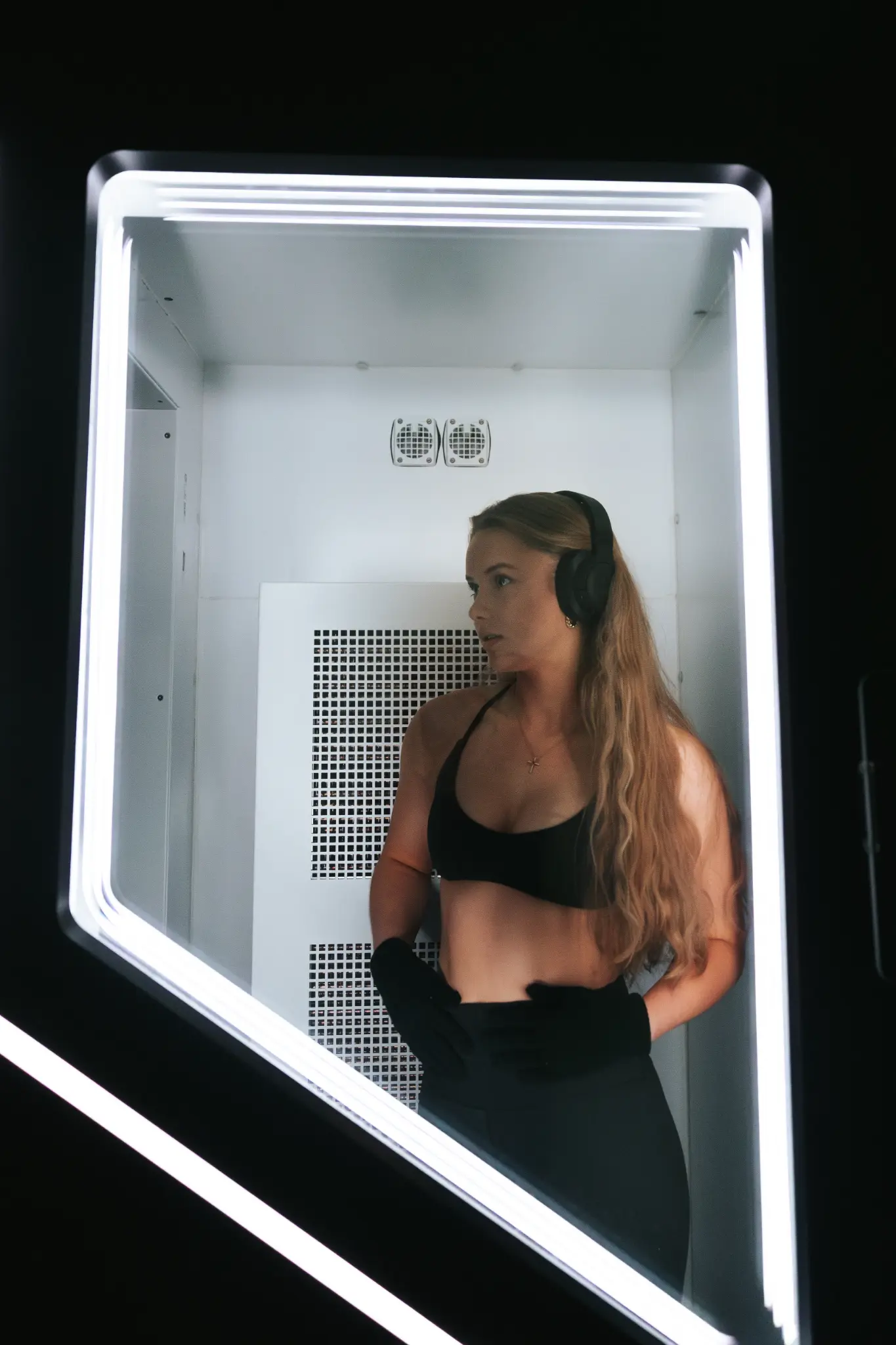
Cryotherapy vs Ice Bath: Which Recovery Method Actually Works Better?
Whole-body cryotherapy uses dry cold air (-130°F to -160°F wind chill) for 2-3 minutes, while ice baths (cold plunges) submerge you in 38-50°F water for 2-10 minutes. Cryotherapy is faster, less mentally challenging, and provides uniform cooling. Ice baths offer deeper tissue penetration through water's superior thermal conductivity. Both effectively reduce inflammation and support recovery — cryotherapy is better for convenience and consistency, while cold plunge builds cold tolerance and provides water-based benefits.
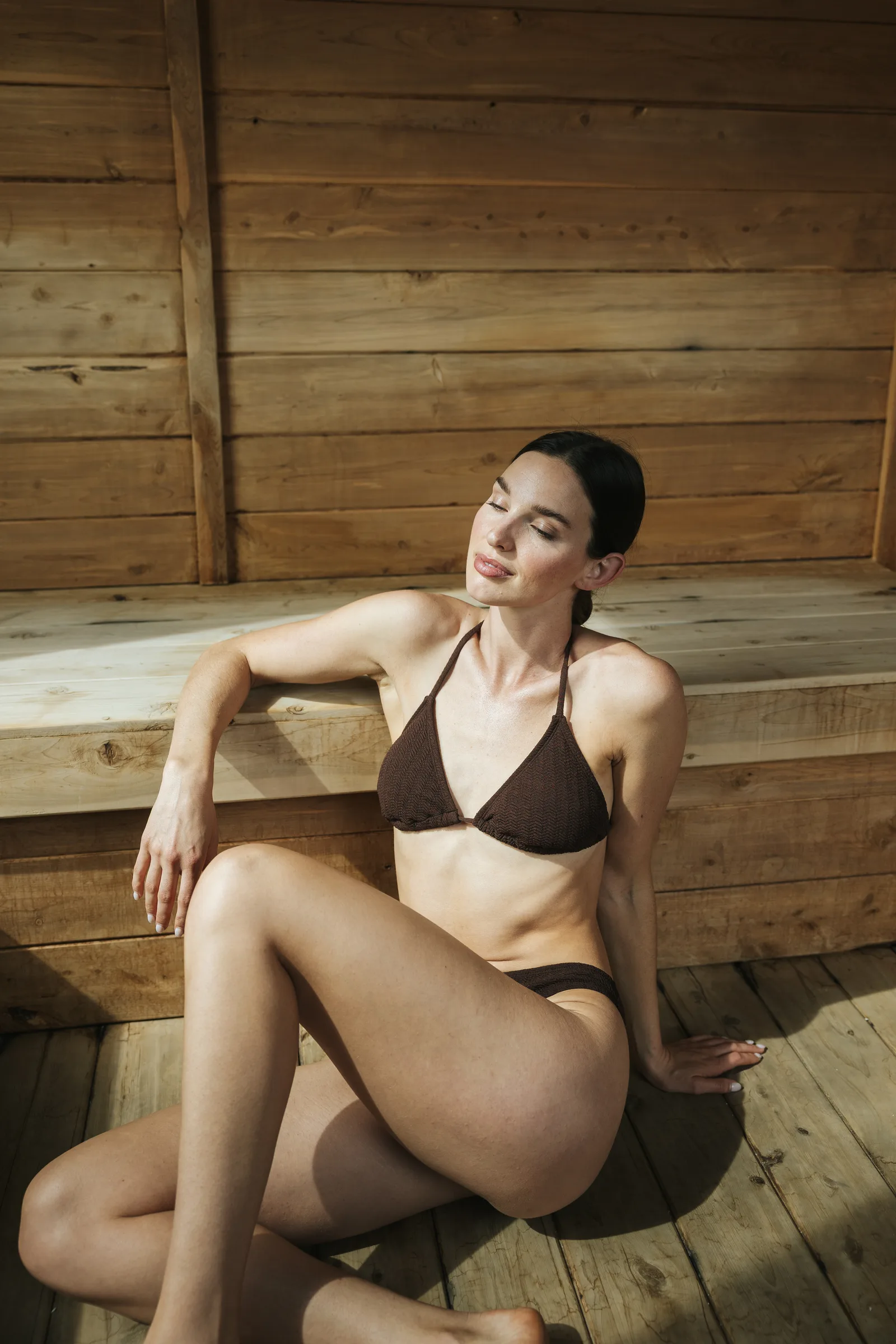
Infrared Sauna vs Traditional Sauna: Which Is Better for You?
Infrared saunas use light waves to heat your body directly at 120–150°F, while traditional saunas heat the air around you to 180–200°F. Infrared is gentler, allows longer sessions, and penetrates deeper into tissue. Traditional saunas provide more intense heat exposure and cardiovascular stress similar to moderate exercise. Both support recovery, relaxation, and overall wellness — the best choice depends on your comfort preference and goals.
Depression & Mood Support Support in Utah County
Deliberate Wellness Studio serves all of Utah County from our Vineyard location. Explore our services available near your city.
Cryotherapy Near You
Infrared Sauna Near You
Ready to Start
Your Wellness Journey?
Walk-ins welcome. Or book a session online to reserve your preferred time. Our team will help you find the right combination of services for depression & mood support.
Disclaimer: The information on this page is for educational purposes only and is not intended to diagnose, treat, cure, or prevent any disease. Deliberate Wellness Studio provides wellness services that may complement professional medical care. Always consult your healthcare provider before beginning any new wellness regimen.